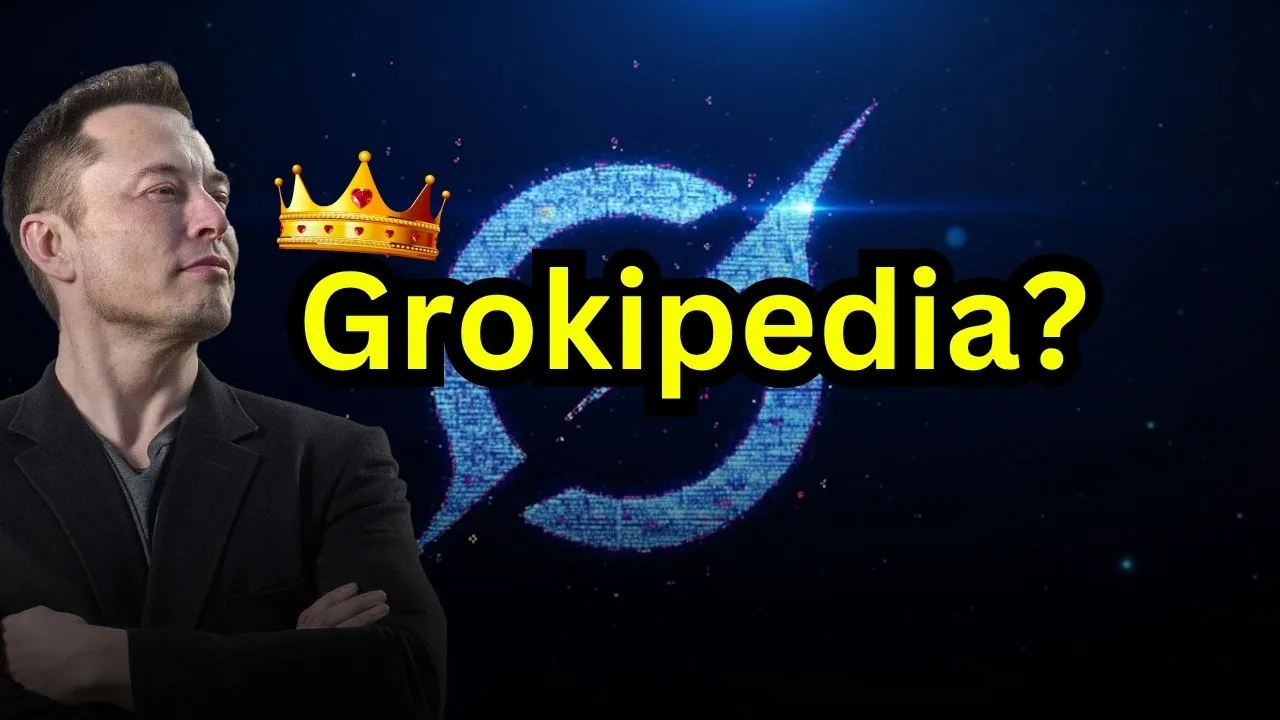
Grokipedia: if every fact you read online was double-checked by a super-smart AI that doesn’t play favorites. No more confusing half-truths or sneaky biases messing with your head. That’s the big idea behind Grokipedia, a fresh take on knowledge that’s shaking things up. Coming from the team at xAI – you know, the folks behind Grok – this isn’t just another website. It’s like a truth detective for the whole internet. Stick around, and I’ll break it down in simple steps so you get why it’s such a game-changer.
Why We Need Something Like Grokipedia Today
Let’s face it: the web is full of info, but not all of it is spot-on. Sites like Wikipedia are great starters, but they can have errors or slanted views from editors with their own ideas. Kids learning history, grown-ups making big choices – everyone gets tripped up by this stuff sometimes. Enter Grokipedia. It’s built to be the world’s biggest and most reliable spot for facts, open to people and AIs alike, with zero limits on how you use it.
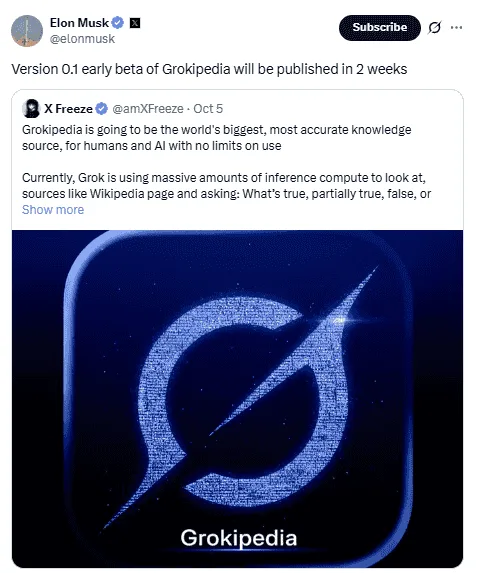
What makes it special? Grok, the AI brain from xAI, dives deep into sources. It gobbles up huge amounts of computer power to scan pages, videos, and posts. Then it asks tough questions: What’s totally true? What’s only partly right? What’s flat-out wrong? Or what’s left out that matters? From there, it rewrites everything cleaner. False bits get tossed, half-baked stories get fixed, and key details that were missing? Boom, they’re added in.
Think of it like a friendly fact-checker in your pocket. No hidden agendas here – just a push toward pure truth, grounded in first principles. That’s a fancy way of saying it starts from the basics of how the world works, like physics laws that don’t bend for anyone. Elon Musk and the xAI crew? They go all-in on projects like this. Remember Community Notes on X (that’s Twitter for the old-schoolers)? Those crowd-sourced fixes called out big groups for spreading bunk info. Grokipedia takes that spirit and amps it up with AI smarts.
Grokipedia v0.1 early beta goes live in 2 weeks
How Grokipedia Stands Out from the Crowd
So, how does it actually work? Picture this: You search for something tricky, like What really happened in that big news event? Old-school sources might spin it one way. Grokipedia pulls from everywhere – books, studies, real-time chats on X and rebuilds the story from scratch.
It’s not about being the loudest voice; it’s about cutting through the noise. Legacy media and some big outfits have pushed skewed tales for years, twisting young minds and stirring up trouble. That’s harmful, plain and simple. Grokipedia fights back by spotlighting full context. Say a story hides key evidence? It uncovers it. A claim sounds off? It tests it against hard facts.
And get this it’s free from bias traps. No corporate strings or political leans pulling the strings. Instead, it uses tools like massive data crunches to spot patterns humans might miss. Early tests show it’s nailing accuracy way better than average encyclopedias. Plus, since it’s for AIs too, it could supercharge tools like chatbots to give you straighter answers every time.
I love how it feels like a shield against the “fake news” flood. We’ve all scrolled past wild claims that stick in our brains. Grokipedia? It helps wash that away, one clear rewrite at a time.
Read more : Top 5 Free Text to Image Generator Websites Without Login
The Bigger Picture Changing How We Learn and Share
Zoom out a bit. Grokipedia isn’t just fixing pages; it’s rewiring trust in info. Schools could use it for homework that’s actually reliable. Reporters might lean on it to double-check scoops. Even everyday folks debating at dinner get a fair shot at the real deal.
xAI’s vision ties into bigger goals, like making AI a force for good. By tackling poisoned narratives head-on, it aims to heal some of the divides fake stories create. Sure, it’s early days as of October 2025, but whispers from X and YouTube hint at wild growth. Users are buzzing about how it called out dodgy health claims, much like those Community Notes zingers.
One cool side effect? It encourages us all to think critically. Reading a Grokipedia entry, you see sources listed clear as day. Want to dig deeper? Links take you right there. It’s empowering, not overwhelming.
Of course, no system’s perfect yet. xAI keeps tweaking based on feedback, ensuring it stays sharp. But the drive? It’s all about that spear-like strike toward truth – quick, direct, and unmissable.
Read more : Nano Banana vs Seedream 4.0 — Which AI Image Model Should You Use?
Read more : Top AI Breakthroughs in 2025: Models That Beat GPT-5, Stunning Images, and 3D Magic from Videos
Read more : Wan 2.2 Animate: Turn Your Photos into 8K High Quality Video for Free use this
FAQ Quick Answers on Grokipedia
Q1: Is Grokipedia free to use?
A: Yep! It’s open to everyone – humans, AIs, you name it – with no paywalls or limits. Just head to the site and start searching.
Q2: How does it differ from Wikipedia?
A: Wikipedia relies on volunteer edits, which can lead to biases. Grokipedia uses AI like Grok to fact-check and rewrite for max accuracy, adding missed bits too.
Q3: Can I trust its info?
A: Absolutely. It’s built on first principles and physics-based checks, free from agendas. Sources are always shown so you can verify yourself.
Q4: Who made Grokipedia?
A: The xAI team, led by Elon Musk. They poured in tons of compute power to make it a truth powerhouse.
Q5: When will it be fully ready?
A: It’s rolling out now in 2025, with updates coming fast. Check X for the latest scoops from the creators.