healthcare jobs in USA: Landing a healthcare position in the United States as an international candidate might seem overwhelming at first glance.
The good news is that American healthcare facilities actively seek skilled professionals from around the world to address ongoing staffing shortages. With proper preparation and understanding of the process, your dream of building a medical career in the USA can become reality.
This comprehensive guide walks you through everything you need to know about securing healthcare jobs in USA for foreigners, from understanding eligibility requirements to gathering essential documents and navigating the application maze.
NEXTUnderstanding the Current Healthcare Job Market for International Professionals
The American healthcare sector faces a significant workforce shortage that creates abundant opportunities for foreign professionals.
According to the Association of American Medical Colleges, the country could face a shortage of up to 86,000 physicians by 2036. Nursing positions show similar trends, with the American Association of Colleges of Nursing reporting critical gaps across multiple specialties.
This shortage translates into genuine opportunities across various roles including registered nurses, physical therapists, medical technologists,
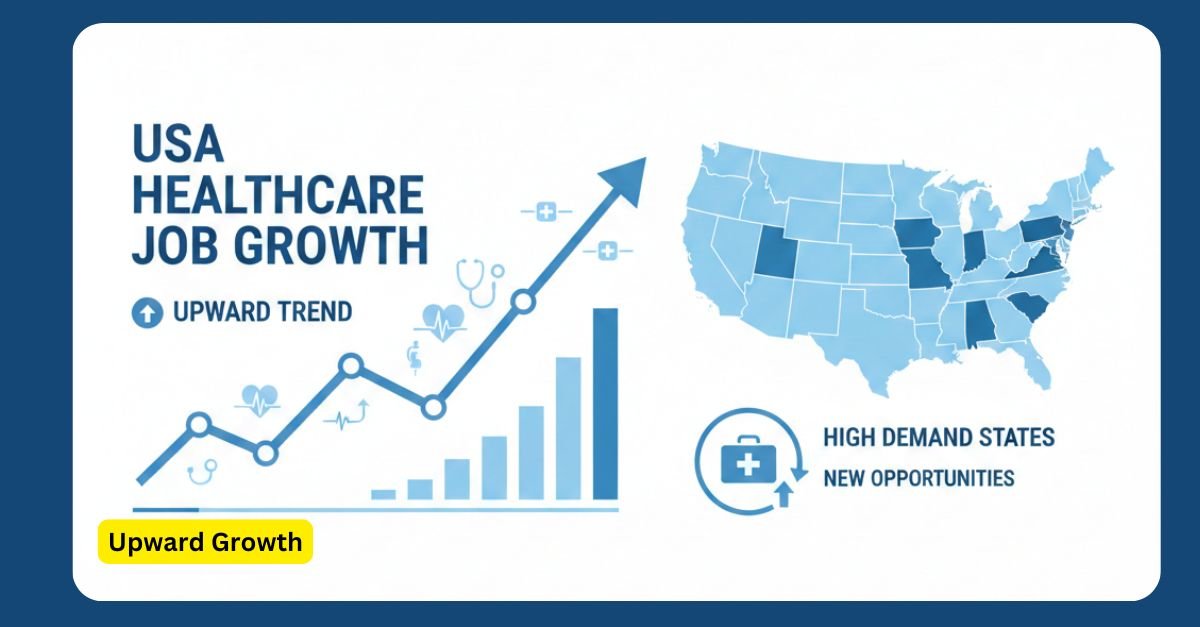
physicians, pharmacists, and allied health professionals. States like California, Texas, Florida, and New York consistently show the highest demand for international healthcare workers.
Essential Eligibility Criteria You Must Meet
Before diving into applications, understanding basic eligibility requirements saves time and prevents disappointment. Each healthcare role comes with specific criteria, but some common requirements apply across the board.
Educational Requirements
Your academic credentials form the foundation of your application. Most positions require degrees from accredited institutions that match
American educational standards. Organizations like World Education Services evaluate foreign credentials to determine their US equivalents. This evaluation proves crucial as employers need confirmation that your education meets their requirements.
Physicians must have completed medical school recognized by the Educational Commission for Foreign Medical Graduates, while nurses need degrees comparable to a Bachelor of Science in Nursing or an Associate Degree in Nursing from an accredited program.
Professional Licensing
Every healthcare professional working in the United States needs proper state licensing. Requirements vary by state and profession, making research essential.
Nurses must pass the NCLEX examination administered by the National Council of State Boards of Nursing. Physicians complete the United States Medical Licensing Examination through the Federation of State Medical Boards.
Physical therapists, occupational therapists, and other allied health professionals face similar licensing requirements specific to their fields and chosen states.
English Language Proficiency
Strong English communication skills are non-negotiable in healthcare settings where patient safety depends on clear understanding. Most licensing boards require standardized test scores from either TOEFL or IELTS. Some nursing boards also accept specialized English tests like the Test of English for International Communication.
Minimum score requirements vary, but generally you should aim for TOEFL iBT scores above 80 or IELTS scores above 6.5. Higher scores strengthen your application significantly.
Work Experience
While entry-level positions exist, most employers prefer candidates with practical experience. New graduates might find opportunities in rural areas or facilities facing acute shortages,
while experienced professionals have broader options. Having 2 to 5 years of relevant experience in your home country demonstrates competence and makes you a more attractive candidate.
Required Documents for Your Application Package
Assembling complete documentation before starting applications streamlines the process considerably. Missing paperwork causes delays and might cost you opportunities.
Academic and Professional Credentials
Start by gathering original diplomas, degree certificates, and transcripts from all institutions you attended. These documents need official translation into
English if issued in another language. Certified translations from recognized services ensure acceptance by licensing boards and employers.
Your credential evaluation report from organizations like WES or Educational Credential Evaluators converts your foreign qualifications into US equivalents. This report typically takes 4 to 8 weeks to process, so apply early.
Licensing and Certification Documents
Include copies of current professional licenses from your home country along with any specialty certifications you hold. If you have already obtained US state licensure, include that documentation prominently. Exam scores from NCLEX, USMLE, or other required tests belong in this section.
Membership certificates from professional organizations add credibility to your application, especially those recognized internationally like the American Nurses Association or specialty medical boards.
Immigration Documentation
Your passport should be valid for at least six months beyond your intended stay. If you currently hold any US visa, include copies. While most healthcare employers sponsor work visas, having prior legal status in the US can simplify matters.
Understanding visa categories helps you communicate effectively with potential employers. The H1B visa suits many healthcare professionals, while nurses often qualify for the EB3 green card category through direct employer sponsorship.
Employment History and References
Create a detailed resume following American formatting standards. Unlike some countries where lengthy CVs are normal, US healthcare resumes should be concise yet comprehensive, typically 2 to 3 pages maximum. Highlight relevant experience, specialized skills, and any international exposure.
Gather reference letters from previous supervisors, department heads, or medical directors who can speak to your clinical competence and professional character.
Three to five strong references serve most applications well. Ensure letters are on official letterhead and include contact information.
Additional Supporting Documents
A well-written cover letter tailored to each position shows genuine interest and helps you stand out. Background check clearances from your home country demonstrate clean professional and criminal records. Some employers request health screening results, immunization records, or proof of liability insurance.
The Step-by-Step Application Process
With documents ready, you can begin the actual application journey. Breaking this into manageable steps prevents overwhelm.
Research and Identify Opportunities
Start your job search using specialized healthcare recruitment websites like Health eCareers, Practice Match, and general platforms including LinkedIn and Indeed. Many hospitals post openings directly on their career pages.
Recruitment agencies specializing in international healthcare placement can be valuable partners. Companies like AMN Healthcare and Cross Country Healthcare have dedicated international divisions that handle visa sponsorship and relocation.
Focus on facilities known for hiring international candidates. Large hospital systems, academic medical centers, and rural healthcare facilities often have established sponsorship programs.
Prepare State-Specific Licensing
Since licensing requirements vary by state, research your target locations carefully. Some states process international applications faster than others. California, Texas, and Florida have well-established processes but may have longer wait times due to high application volumes.
Submit your licensing application as early as possible since processing can take 3 to 6 months. Some states allow you to begin the process before securing a job offer.
Submit Targeted Applications
Quality beats quantity when applying for healthcare jobs in USA for foreigners. Customize each application to match the specific position and facility.
Generic applications rarely succeed in competitive healthcare markets.
Follow application instructions precisely. Some facilities use applicant tracking systems that filter out applications missing required elements. Upload documents in requested formats and ensure all fields are complete.
Prepare for Interviews
Healthcare interviews often include multiple rounds. Initial phone or video screenings assess basic qualifications and communication skills. Subsequent interviews dive deeper into clinical knowledge, problem-solving abilities, and cultural fit.
Practice common interview questions and prepare examples demonstrating your clinical expertise. Research the facility thoroughly, understanding their mission, patient population, and recent achievements. Prepare thoughtful questions showing genuine interest.
International candidates should be ready to discuss visa sponsorship needs clearly and professionally. Understanding the process helps you answer employer questions confidently.
Navigate the Visa Sponsorship Process
Once you receive a job offer, your employer typically initiates visa sponsorship. The H1B visa process includes filing a Labor Condition Application with the Department of Labor, followed by an I-129 petition with US Citizenship and Immigration Services.
The EB3 visa for nurses involves additional steps including a PERM labor certification proving no qualified US workers are available. This process takes longer but results in permanent residency.
Stay in close communication with your employer’s immigration attorney throughout the process. Provide requested documentation promptly and maintain copies of all submissions.
Common Challenges and How to Overcome Them
Understanding potential obstacles helps you prepare effective solutions.
Credential Recognition Issues
Sometimes foreign credentials face skepticism despite being equivalent to US standards. Combat this by obtaining evaluations from multiple recognized agencies and highlighting any international accreditations your programs held. Additional certifications in specialized areas can strengthen your profile.
Financial Considerations
The application process involves significant costs including credential evaluations, exam fees, licensing applications, and potentially travel for interviews.
Budget $3,000 to $5,000 for these initial expenses. Some employers reimburse certain costs or offer sign-on bonuses that offset your investment.
Cultural and Professional Adjustment
American healthcare culture may differ significantly from your home country. Professional hierarchies, communication styles, and patient interaction norms vary. Many facilities offer cultural orientation programs for international hires. Seek mentorship from other international healthcare workers who successfully made the transition.
Timeline Expectations for the Entire Process
Understanding realistic timeframes helps you plan effectively and maintain patience during the journey.
The credential evaluation process takes 4 to 8 weeks. Licensing exams require 2 to 4 months of preparation for most candidates. State licensing approval adds another 3 to 6 months.
Job searching and interviewing typically span 2 to 4 months, though this varies widely. Visa processing takes an additional 3 to 6 months depending on the category.
Overall, expect the entire process from starting your credential evaluation to beginning work in the US to take 12 to 24 months. Starting early and working on multiple steps simultaneously can compress this timeline.
Making Your Application Stand Out
Competition for sponsored positions can be intense, so differentiation matters.
Highlight any experience with diverse patient populations or international healthcare settings. Specialized certifications in high-demand areas like critical care,
perioperative nursing, or cardiology make you more attractive to employers. Technology skills including electronic health records experience show adaptability.
Demonstrating cultural competence and communication excellence helps overcome concerns about international candidates. Any previous US connections such as clinical rotations, conferences, or training programs strengthen applications. Read more : How to Get Distance MBA Admission Without Entrance Exam: Your Complete Guide
Taking the First Steps Toward Your American Healthcare Career
The path to securing healthcare jobs in USA for foreigners requires dedication, preparation, and persistence. While the process seems complex, thousands of international healthcare professionals successfully navigate it every year.
Start by researching your specific profession’s requirements thoroughly. Connect with professional associations and online communities of international healthcare workers in the US
who share valuable insights and support. Many states have international healthcare professional networks offering mentorship.
Create a timeline working backward from your desired start date, identifying all necessary steps and their typical durations. This roadmap keeps you organized and motivated through the longer process.
Remember that healthcare facilities genuinely need your skills and expertise. The shortage of qualified professionals means employers are willing to invest in bringing talented international candidates to the US.
Your journey toward an American healthcare career starts with a single step. Begin gathering your documents, researching licensing requirements, and identifying potential employers today. With thorough preparation and persistent effort, you can build the rewarding career you envision in the United States healthcare system.
Are you currently preparing your application for healthcare positions in the US? Share your biggest challenge or question in the comments below and let’s help each other succeed in this exciting journey.